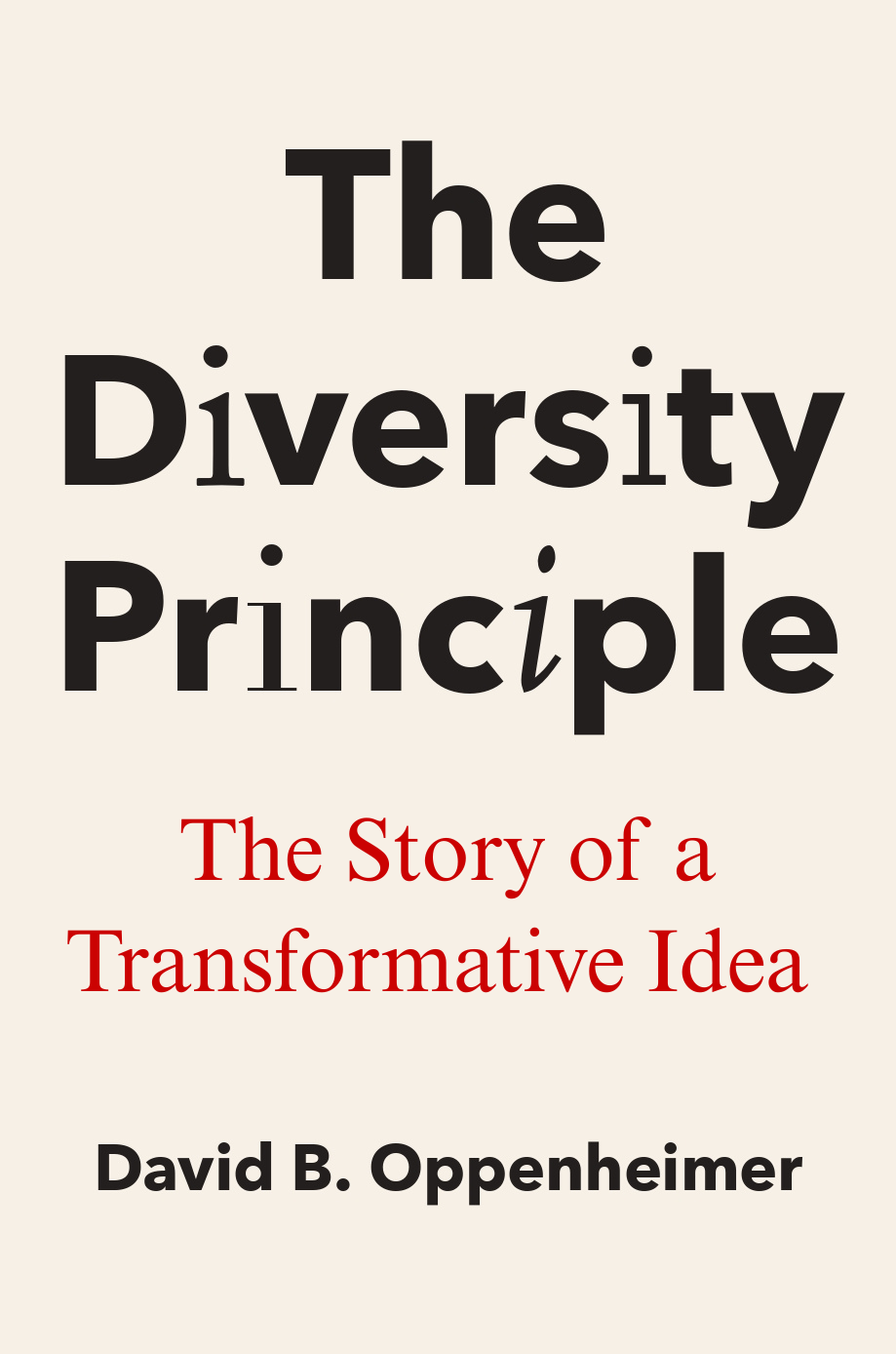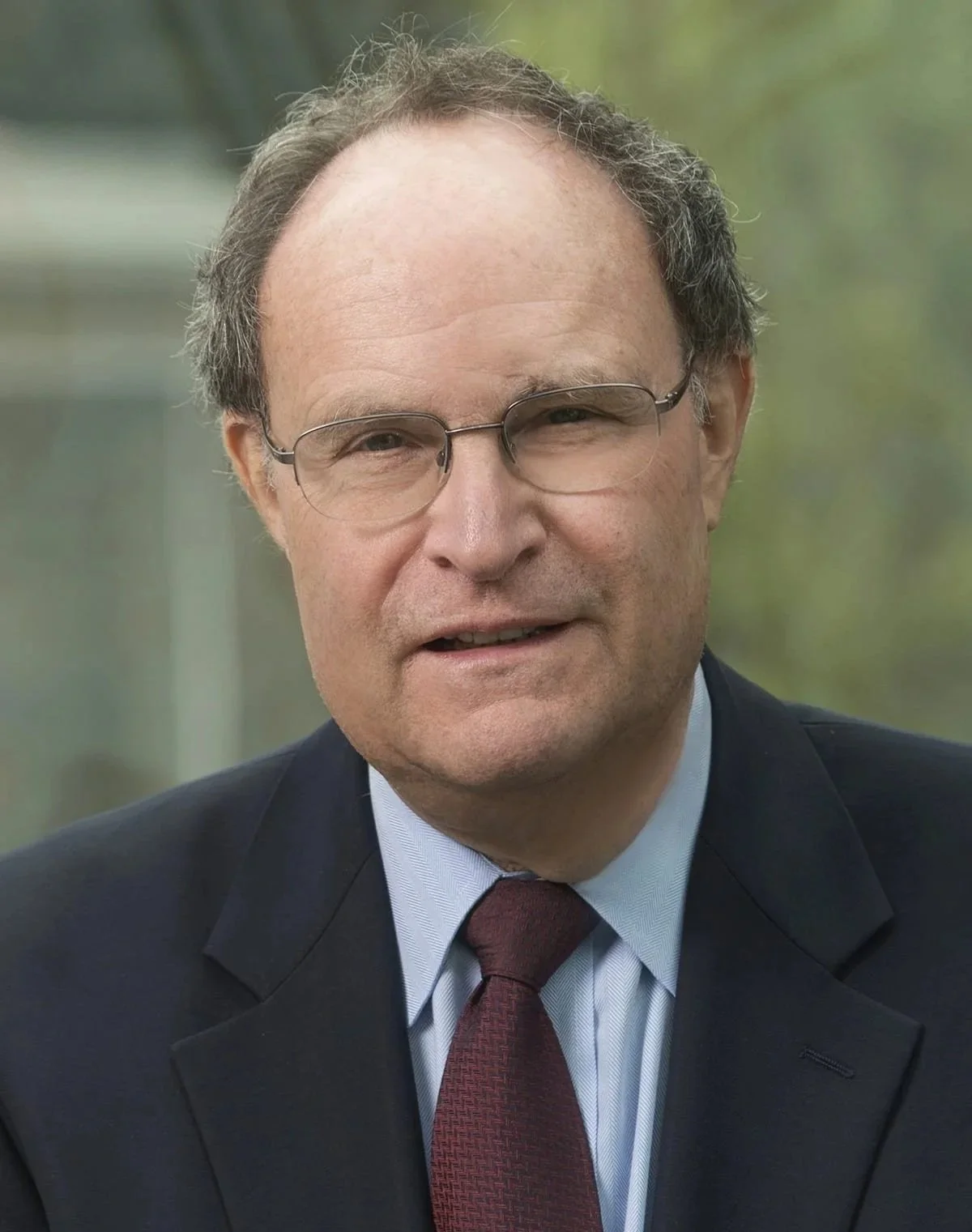
About the Author
David B. Oppenheimer is a Clinical Professor of Law at the University of California, Berkeley School of Law, and Co-Director of the Berkeley Center on Comparative Equality and Anti-Discrimination Law. He helped establish the University Without Walls, from which he graduated, and attended Harvard Law School, where he was a research assistant to Laurence Tribe. He then clerked for Chief Justice Rose Elizabeth Bird of the California Supreme Court.
Oppenheimer was a civil rights prosecutor for the State of California and the founding director of the Berkeley Law Employment Discrimination Law Clinic. In his clinical and pro bono work, he has handled discrimination and harassment cases concerned with race, gender, disability, national origin, ancestry, age, and religion in state and federal courts and before administrative agencies. He and his students have filed amicus curiae briefs in the United States Supreme Court, the Supreme Court of Japan, the California Supreme Court, the Inter-American Human Rights Court, and numerous lower courts.
Oppenheimer is the author or editor of ten books and scores of articles on US and global discrimination law. At Berkeley, he teaches Civil Procedure, Evidence, and a multi-university course in which students and faculty on six continents study Comparative Equality Law together, through the miracle of Zoom. In an article by Columbia University journalism professor Nicholas Lemann, the New Yorker magazine dubbed him “the diversity detective” because of his work on the history of the diversity principle.
Other Works by David Oppenheimer





The Diversity Principle
People with different backgrounds, experiences, and viewpoints benefit from engaging with each other. That’s why it’s important for people who are insiders to expand their circles to include outsiders, and vice versa. The experience of being an outsider is often influenced by age, religion, ethnicity, gender, race, language, disability, economic class, and other forms of identity. Compared with groups that are more homogeneous, diverse groups do a better job of solving problems, making discoveries, teaching and learning from each other and improving democratic discourse.